Use the handover information as your starting point
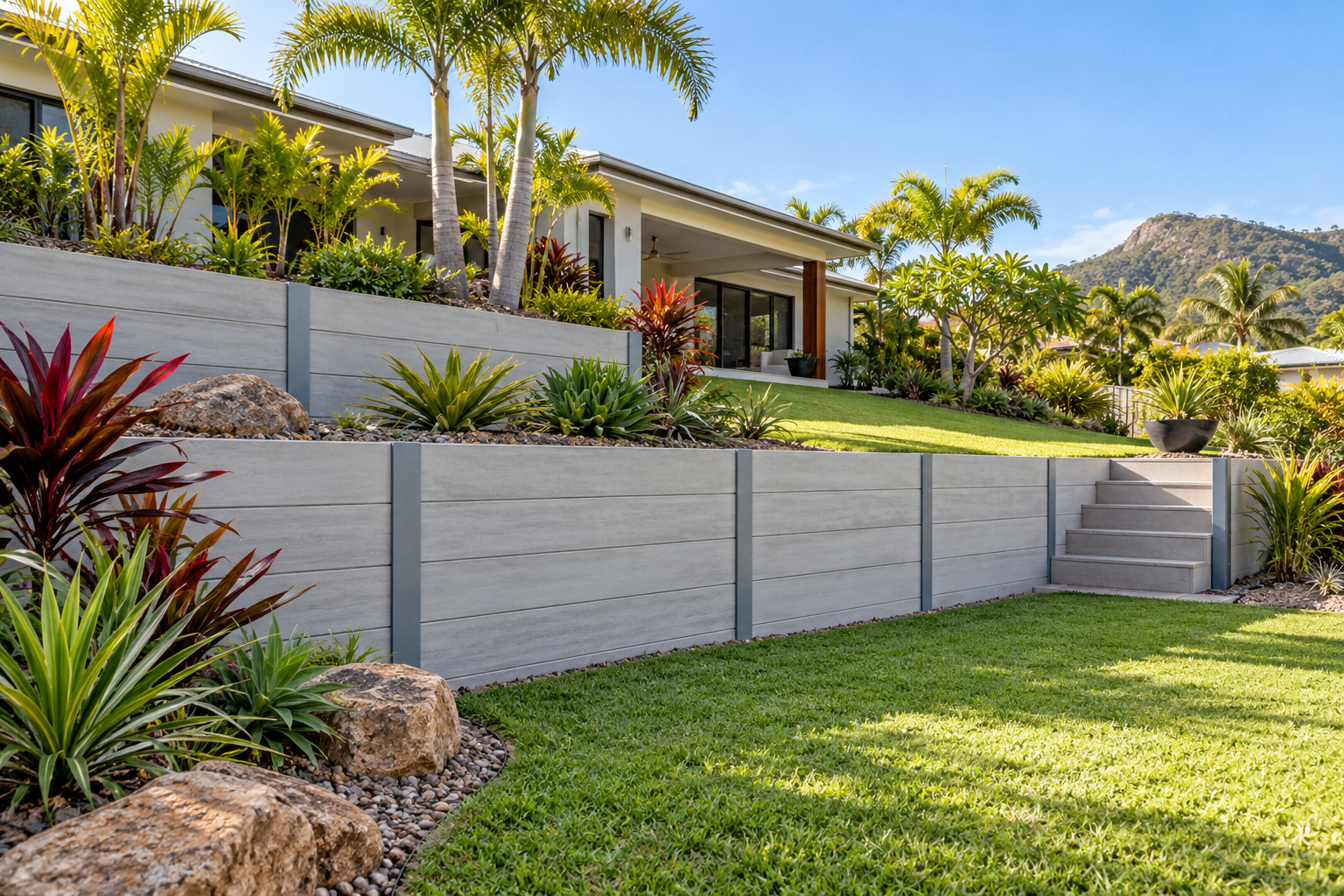
Retaining wall care should reflect the system actually installed. Keep the relevant drawings, product details and maintenance instructions together when the project is completed. Ask the provider which routine observations are appropriate, where visible drainage outlets are located and what changes need professional attention. A generic cleaning checklist cannot replace system-specific advice. Understanding the original arrangement also helps when planning later landscaping, paving or fence work near the structure.
Observe alignment and visible condition
From a safe position, look for changes in the wall’s line, leaning, bulging, cracking or loose components. Compare with earlier photographs where available and record when a change was noticed. Different materials show different signs of deterioration, so ask what is relevant to the installed products. Significant movement or loose heavy components need suitable assessment. Keep people away from a potentially unstable area rather than continuing routine garden work beside it.
Keep visible drainage features accessible
Know where water is intended to discharge and avoid covering outlets with mulch, planting or new paving. After rainfall, notice unexpected ponding, persistent wet patches or soil escaping from the retained area. These observations can help identify a concern but do not establish its cause. Ask for advice about safe maintenance of visible features. Do not excavate behind the wall or attempt to expose concealed drainage without considering stability, underground services and the design.
Coordinate irrigation and planting
Irrigation leaks or changes in planting can alter conditions near the wall. Check obvious leaks and discuss significant landscape changes before they proceed. Large roots, added garden soil and new edging may affect the space around the structure or make drainage inspection harder. Plant selection should consider maintenance access as well as appearance. Avoid assuming that filling a garden bed higher or adding a heavy feature near the top is a minor change.
Clean according to the product guidance
Use the manufacturer’s or provider’s instructions for suitable cleaning methods. Aggressive cleaning, unsuitable chemicals or high-pressure equipment can affect finishes or joints on some systems. Test and seek advice where the guidance is unclear rather than relying on a universal method. Concrete, timber, masonry and metal components may need different care. Cleaning can improve appearance, but it should not be used to conceal cracking, movement, corrosion or other conditions that need investigation.
Ask before changing loads or ground levels
A completed wall was designed around particular assumptions. New fencing, vehicle access, pools, paving, excavation and changes in retained level may alter the arrangement. Bring the existing drawings to the relevant professional before making significant changes. Do not dig below or behind the wall simply because the landscaping work appears small. A new terrace or adjacent wall can also interact with the existing structure and should be considered as part of the wider site.
Arrange assessment when the condition changes
Keep a simple record of photographs, observed changes and any maintenance undertaken. If movement, soil loss or drainage problems develop, describe the timing and surrounding work when seeking advice. A suitable assessment should consider the cause before repair is selected. The existing-wall guide explains how to prepare that information safely. Read the drainage guide for questions about outlets and surface flows, and retain all relevant records so future providers can understand the wall and its history.
Related planning guides
- Retaining Wall Guides
- Townsville Wall Approvals
- Retaining Wall Drainage
- Retaining Wall Materials
- Retaining Wall Costs
- Sloping Garden Walls
- Existing Wall Concerns
- Walls, Boundaries & Fences
- Compare Retaining Wall Quotes
Explore retaining wall services, concrete wall options and interlocking block walls. Prepare your project enquiry with photographs, approximate dimensions and access information.